
introduction: this article focuses on "actual case sharing of the optimization effect of 2k servers in japan on cross-border business". it combines network performance, search engine and user experience perspectives to analyze the impact of deploying 2k server nodes in japan on service quality and localized traffic. it also gives actionable optimization suggestions to help companies formulate global deployment strategies.
background: why the discussion “is the 2k server in japan” related to cross-border business?
when discussing "are 2k servers in japan?", the key is to have a clear goal: reduce latency, increase local access speeds, and improve search engine visibility. for cross-border business targeting the japanese or asia-pacific markets, localized nodes can shorten network paths, reduce packet loss and retransmissions, thereby improving page loading and interface response, which directly helps user retention and conversion.
impact of japanese nodes on network performance of cross-border services
japan's geographical location is connected to the asia-pacific network backbone, and local servers generally have advantages in tcp handshakes, tls establishment, and time to first byte. after actual deployment, user-perceived latency will be reduced, and the first screen time and resource loading on mobile and desktop will be faster. this is especially important for cross-border businesses such as e-commerce, saas and media, and can significantly improve user experience.
the impact of latency and bandwidth on search engines and user experience
search engines will use page speed as one of the ranking factors, and user experience has a more intuitive impact on bounce rate and conversion rate. placing 2k-level resources on japanese nodes can reduce network congestion and request retries when local users access it, thereby reducing the bounce probability, increasing page browsing depth and conversion opportunities, and having a positive effect on seo rankings and site weight.
additional advantages of dns and localized resolution
local dns resolution can point users to nearby nodes, and cooperates with the server deployment of japanese nodes to reduce delays caused by resolution links. combined with smart dns or any cast technology, it can maintain a stable access path when cross-border traffic fluctuates and reduce the impact of cross-border routing jitter on business availability.
practical case sharing: specific observations on cross-border sites deployed in japan
in the practice of a cross-border site targeting asia and japan, after some static resources and api transfers were deployed to japanese nodes, the page first rendering time and interactive response for local users were significantly optimized. this type of "actual case sharing of the optimization effect of 2k servers in japan on cross-border business" emphasizes the synergy of deployment strategies and traffic allocation, rather than a single hardware indicator.
the collaborative effect between cdn and japan’s 2k nodes
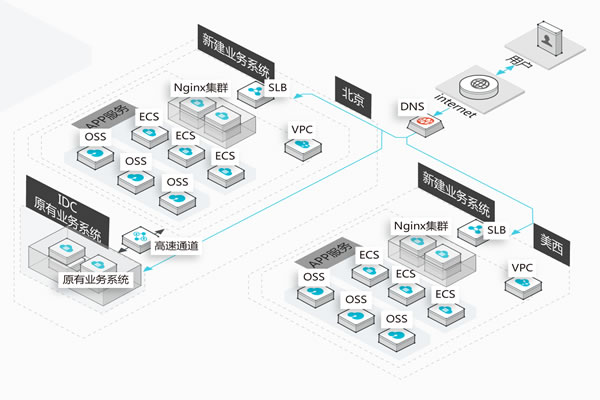
combining cdn with 2k nodes in japan can provide faster hit rates for users in japan and surrounding areas while retaining global acceleration capabilities. cdn caches hot data, while japanese nodes handle dynamic requests or api transfers. this layered deployment can take into account both cost and performance, and improve overall service stability and access experience.
seo and geo optimization strategies: how to utilize japanese 2k servers
when using japanese servers for geo optimization, content localization, server response headers, site speed optimization and site map strategies should be done simultaneously. ensuring that japanese nodes return correct geolocation information, combined with hreflang and localized metadata, will help search engines direct japanese user traffic to localized pages more accurately.
localized content, hreflang, structured data
when deploying japanese nodes, japanese pages and localized vocabulary, currency and delivery information should be provided simultaneously. using hreflang to mark the language/region and adding structured data (such as local business information) can help search engines understand the market for the site, thereby obtaining higher relevance and display opportunities in local searches.
monitoring and a/b testing recommendations
after implementation, the effect is evaluated through rum, synthetic monitoring and a/b testing. compare the differences in page loading, conversion paths and bounce rates between japanese nodes and other regional nodes, adjust caching strategies, routing and resource segmentation based on data, and gradually find out the most effective deployment and content combination for the target market.
risks and considerations: compliance, data privacy and operations
when deploying servers in japan or other countries, you should pay attention to local data protection regulations, cross-border data transmission compliance, and operation and maintenance costs. backup strategies, failover and security hardening (such as waf and ddos protection) are also critical to avoid single points of failure or compliance risks that may impact the business.
summary and suggestions
summary: through the "actual case sharing of the optimization effect of 2k servers in japan on cross-border business", it can be seen that japanese nodes have practical value for cross-border business for japanese and asia-pacific users, and can improve latency, enhance user experience and assist seo/geo optimization. it is recommended to conduct a small-scale pilot first, combine cdn and localization strategies, and gradually expand the deployment through monitoring and compliance review to achieve stable and measurable optimization benefits.
- Latest articles
- Operator Comparison Analysis Of Latency And Stability Of Vietnam Vps Cn2 Different Packages
- How To Choose A Thai Cloud Server? Comparison Of Manufacturer Reputation, SLA And Technical Support
- How To Calculate Elastic Expansion Costs In The Hong Kong Server Hosting Price List Based On Business Peaks
- The Role And Implementation Of Vps Cambodia In Cross-border Data Synchronization And Backup Solutions
- Monitoring And Log Analysis Improve Singapore CDN Server Cache Hit Rate And Response Speed
- Long-term Operation And Maintenance Cost Calculation Helps You Determine Whether Buying A Cheap Hong Kong Cloud Server Is Cost-effective
- Precautions For Purchasing Vps In Singapore From The Perspective Of After-sales And Security
- Market Observation Analysis Of The Differences Between Mainstream Manufacturers And Services Of U.S. Vps Cloud Servers H
- Cambodia Cn2 Return Server Troubleshooting And Optimization Skills From The Perspective Of Server Operation And Maintenance
- German Independent Server Hardware Failure Emergency Handling Process And Spare Parts Strategy Recommendations
- Popular tags
-
Bandwidth Terms And Technical Support Content That Need Attention In The Japanese Server Cn2 Service Contract
analyze the bandwidth terms and technical support content that need attention in the japanese server cn2 service contract, including bandwidth definition, billing rules, sla, traffic cleaning and technical support response, etc., to help optimize procurement and risk control. -

How To Rent A Cn2 Line VPS In Japan To Improve Stability
This article introduces how to rent a CN2 line VPS in Japan to improve network stability and is suitable for users who need efficient network services. -

In-depth Technical Analysis Of CN2 Routes In Japan Detailed Explanation Of Routing Paths And Node Distribution
In-depth Technical Analysis of CN2 Routes in Japan Detailed explanation of routing routes and node distribution, introducing routing characteristics, node layouts, performance impacts, and monitoring and diagnostic methods from CN2 to Japan, offering practical suggestions for network operation and optimization.